
Production
After the Cannon Fires
The cannon on Angel Island fired twice on September 19th. Patrick caught the first; Sean caught the second a few minutes later; I was further up the ridge, covering the summit, and heard both from a distance. That's about as close to the plan as a twelve-hour, no-fixed-route adventure race gets — and the plan held up in almost every way that mattered. The one surprise was how much the whole day ended up riding on a single Onewheel.
- Published
- Reading time
- 5 min read
- Author
- Leomar Moring
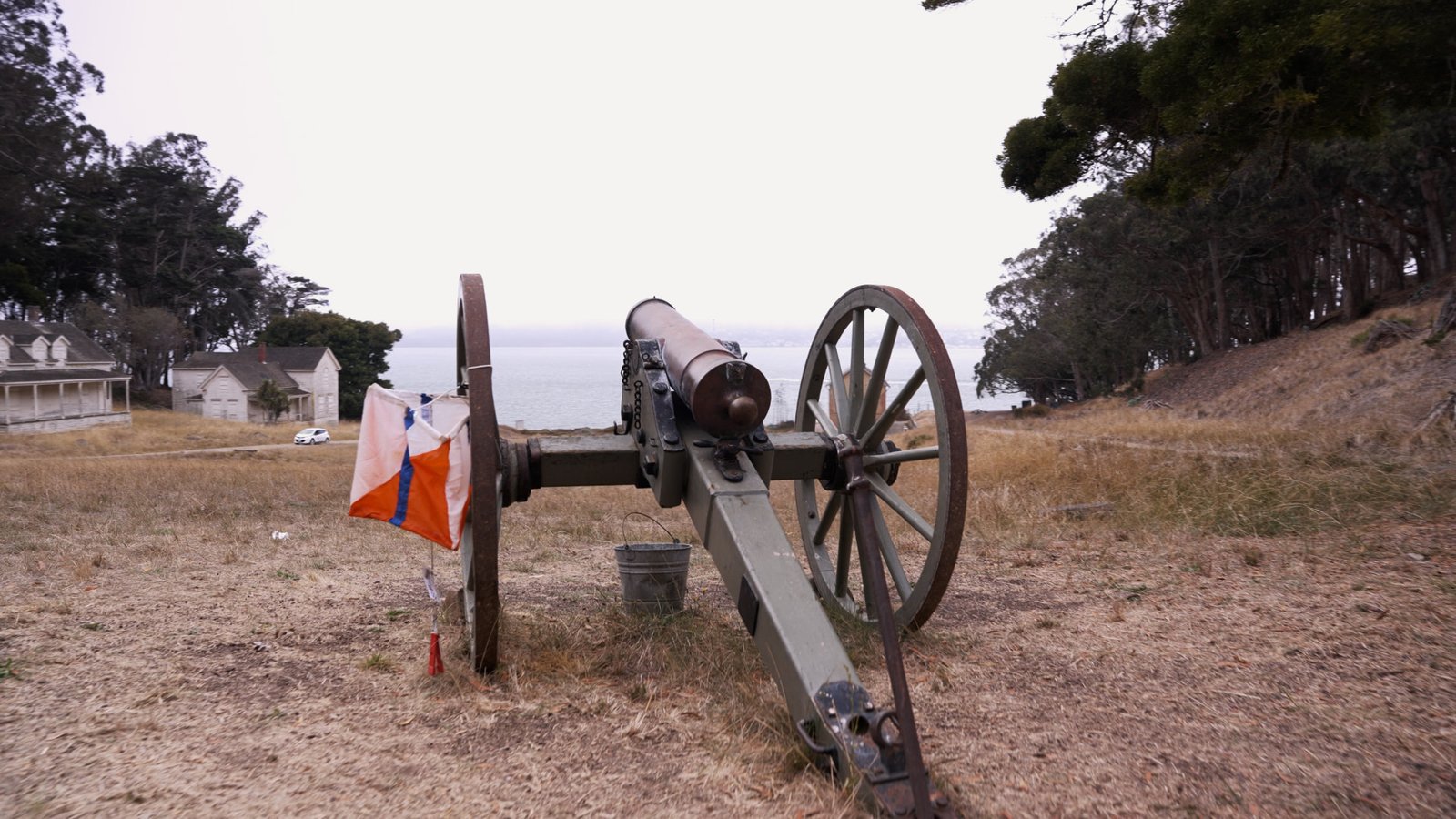
A day that mostly went the way it was drawn up
Dawn to Dusk ran exactly the shape I described back in "Before the Cannon Fires": pre-dawn check-in at HQ, a mass paddle start out of Sausalito, a split on Angel Island for the landing, the cannon, and the summit, a regroup back at HQ for the bike transition, then a long afternoon stretched across the Marin Headlands — Battery Spencer, the bridge overlooks, Rodeo Beach — before everyone funneled back to the finish for awards around dusk. The live tracker we'd planned around did exactly what it needed to: told us roughly where teams were, and let us commit to a checkpoint instead of guessing.
The bigger thing the day confirmed wasn't logistical — it was the tone. This race is full of people who are out there to have a genuinely good time outdoors, and that energy doesn't let up for twelve hours. The volunteers were sharp and generous with their time all day. And Greg delivered everything he'd promised back in planning, plus more — the kind of race director who makes a media team's job easier just by running a tight event.
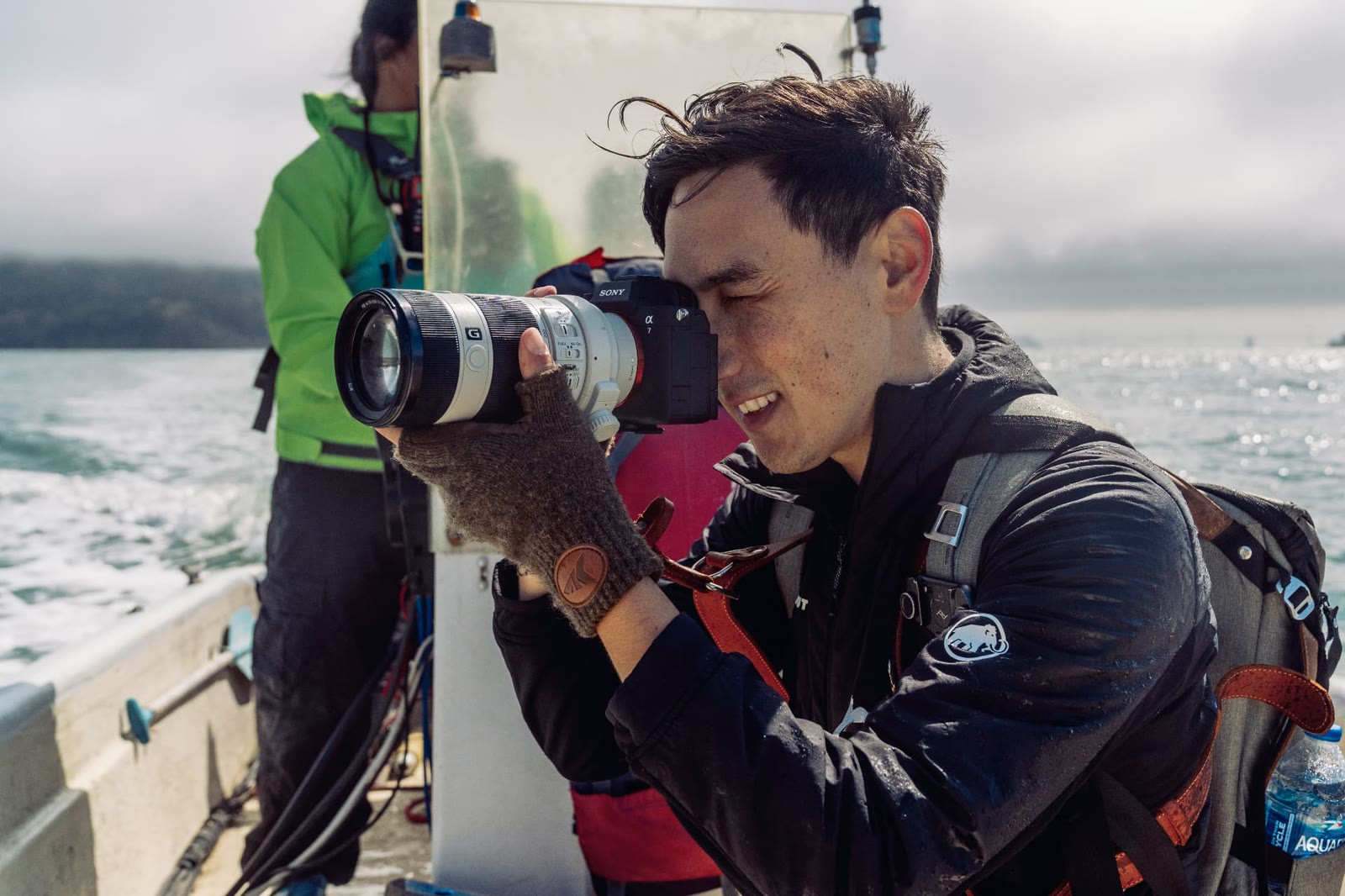
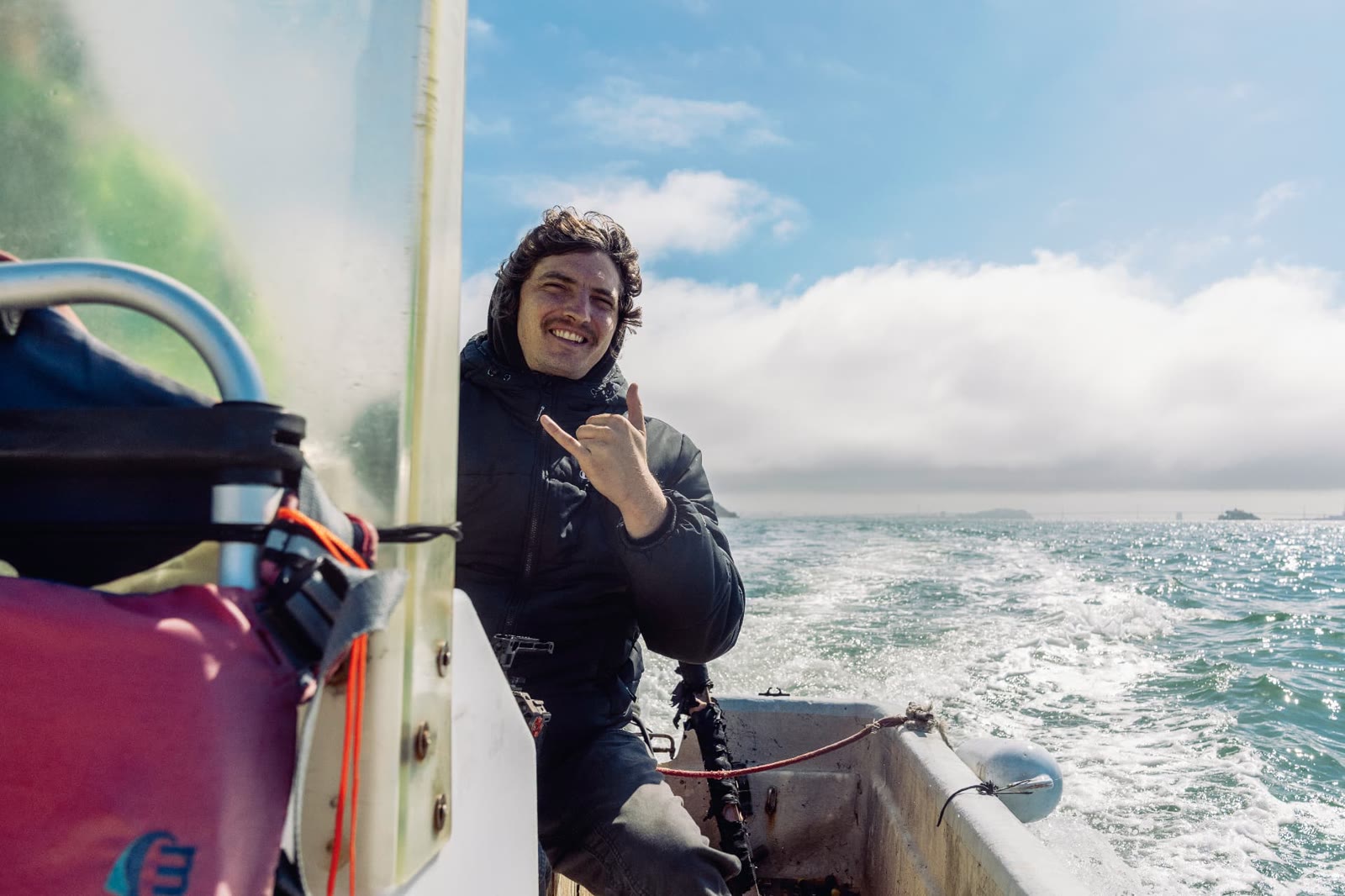
The gear nobody was sure would survive contact with a state park
One line in our own field guide, written a few weeks before race day, put it plainly: don't assume the Onewheel is permitted on Angel Island — state parks prohibit skateboards and scooters, obtain explicit clearance first. It was a real open question right up until race day.
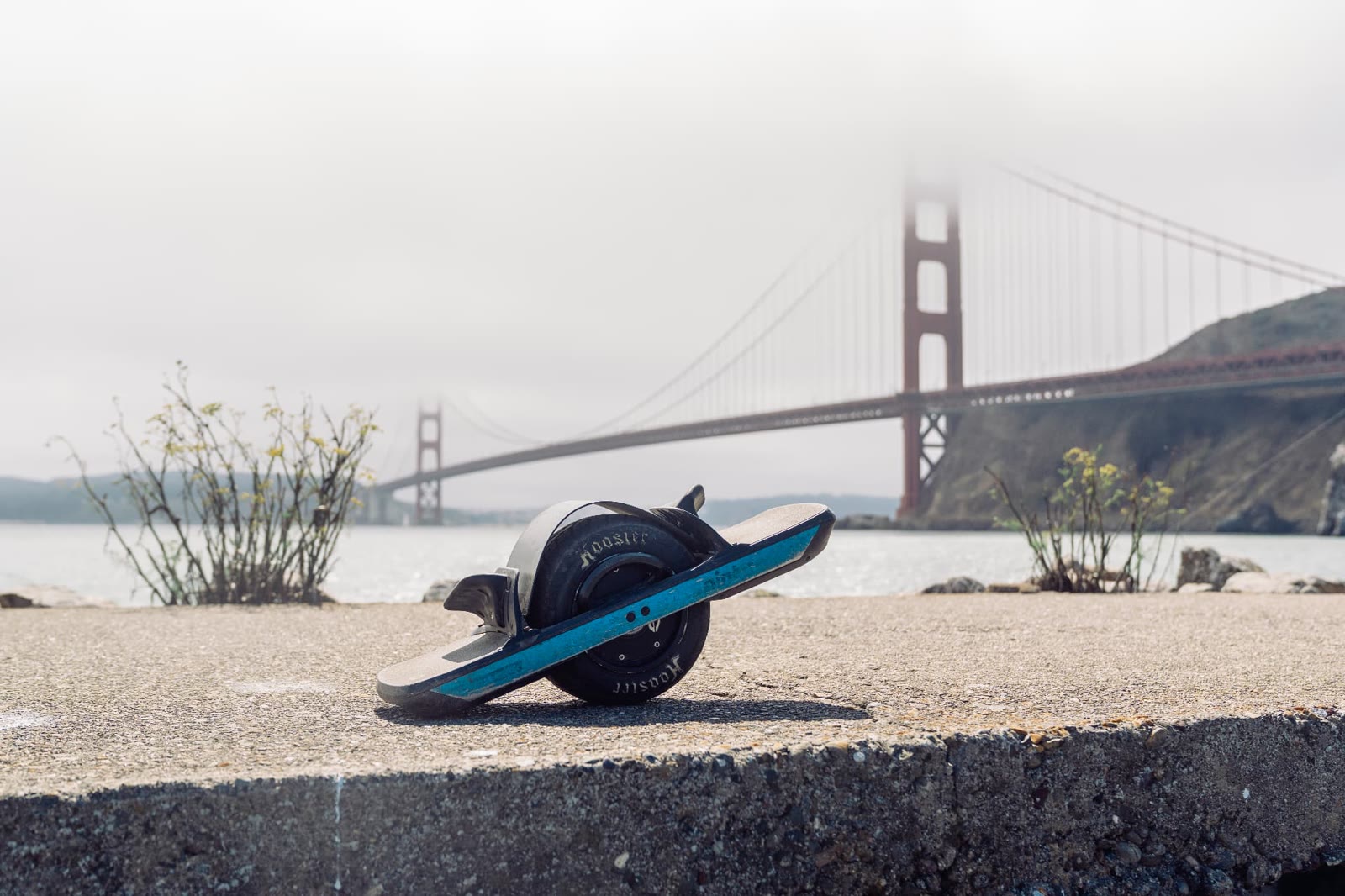
“It turned out to be the single most valuable piece of gear on the course.”
On the ground, across both Angel Island and Rodeo Beach, the Onewheel is what let me actually be in the right place at the right time instead of just hoping I would be. Covering a course with no fixed route and checkpoints spread across an island, a bridge, and a stretch of coastline means the real constraint isn't creative — it's how fast you can physically move between vantage points. The Onewheel collapsed that problem. It saved real time on every leg I used it, time that went straight back into getting more shots instead of more hiking.
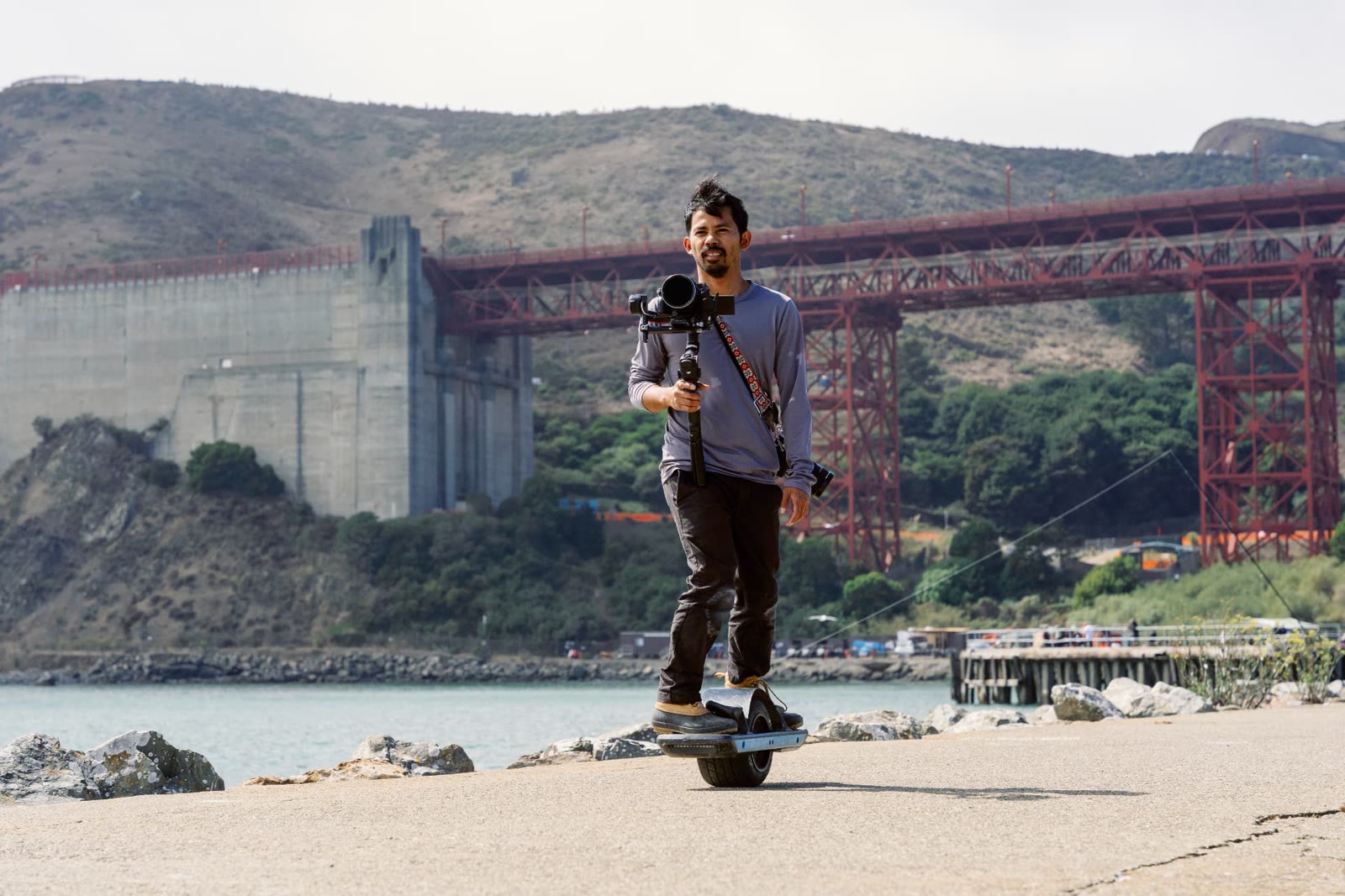
Three people, twelve hours, a whole park
The crew that actually covered the race was the same one from the planning stage: Sean Ayres on photo, me on video, and Patrick on logistics and support — driving, parking, keeping the tracker open, and jumping in on coverage wherever a third set of hands helped. The biggest challenge of the day, no question, was crew size. There is a lot happening at once on a course this size, and three people can't be everywhere a good shot is.
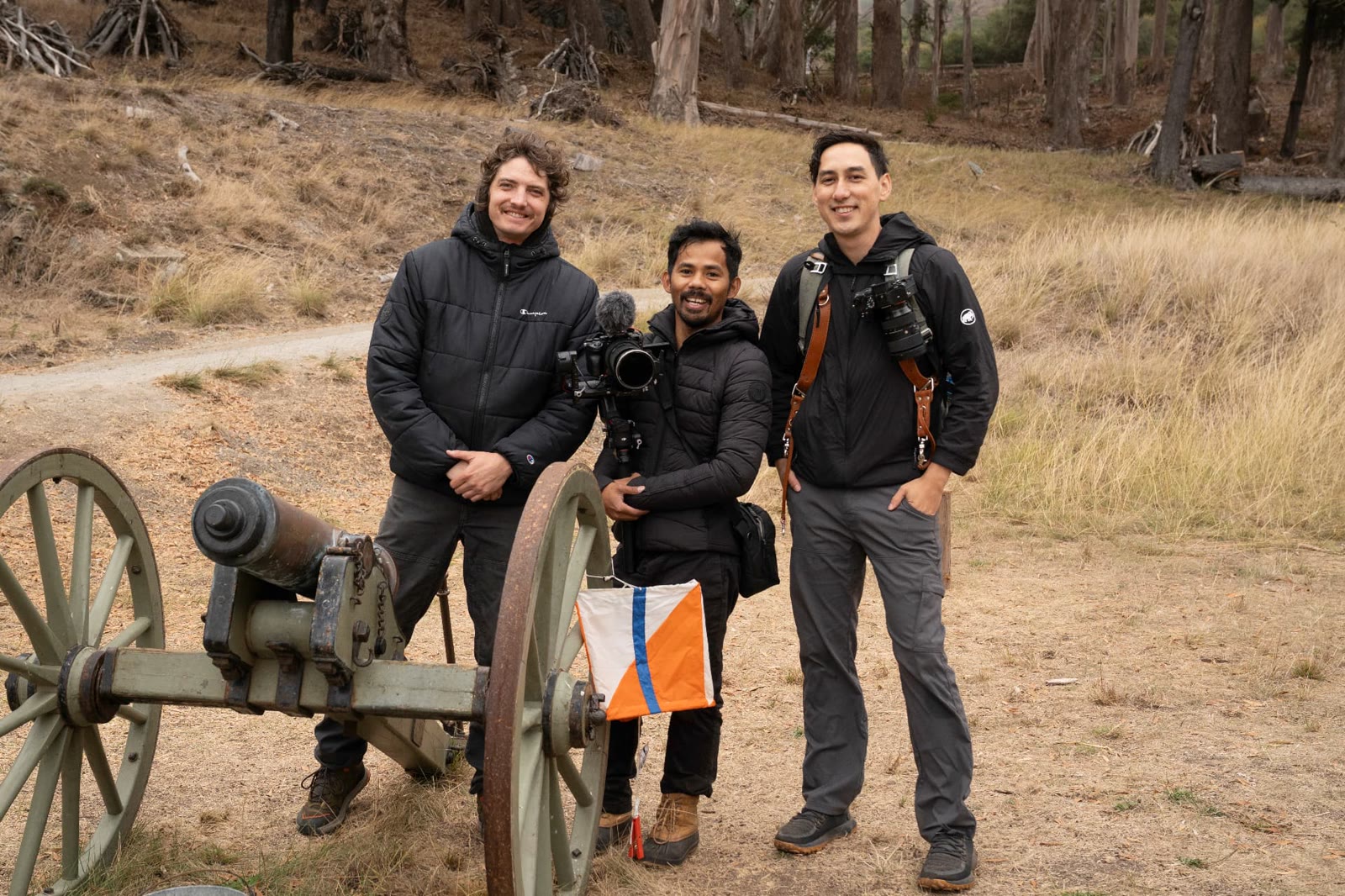
What I actually learned is that you can cover a race like this with one photographer, one videographer, and one support person — it's possible, and we did it. But it's a stretched, scrappy way to do it, and it means some good moments go uncaught simply because nobody was there yet. For Sean and Patrick, this was the first time either of them had documented a race at this scale, start to finish — a genuinely once-in-a-lifetime day for the media team, even with the stretch.
What changes for next year
- Scale the media crew to four photographers and three videographers, so every checkpoint and sponsor activation gets covered without a trade-off.
- Pre-scout the picture-perfect spots on the course ahead of time, and assign individual photographers to cover a sequence of two or three spots each, instead of improvising positioning on the day.
- Put a Onewheel under every video operator, budget allowing — the mobility difference it made on headland trail terrain was that significant.
That's the honest version of the retrospective: the plan worked, the crew was too small for a field this size, and the fix isn't a smarter shot list — it's more hands.
Three days chasing one word: epic
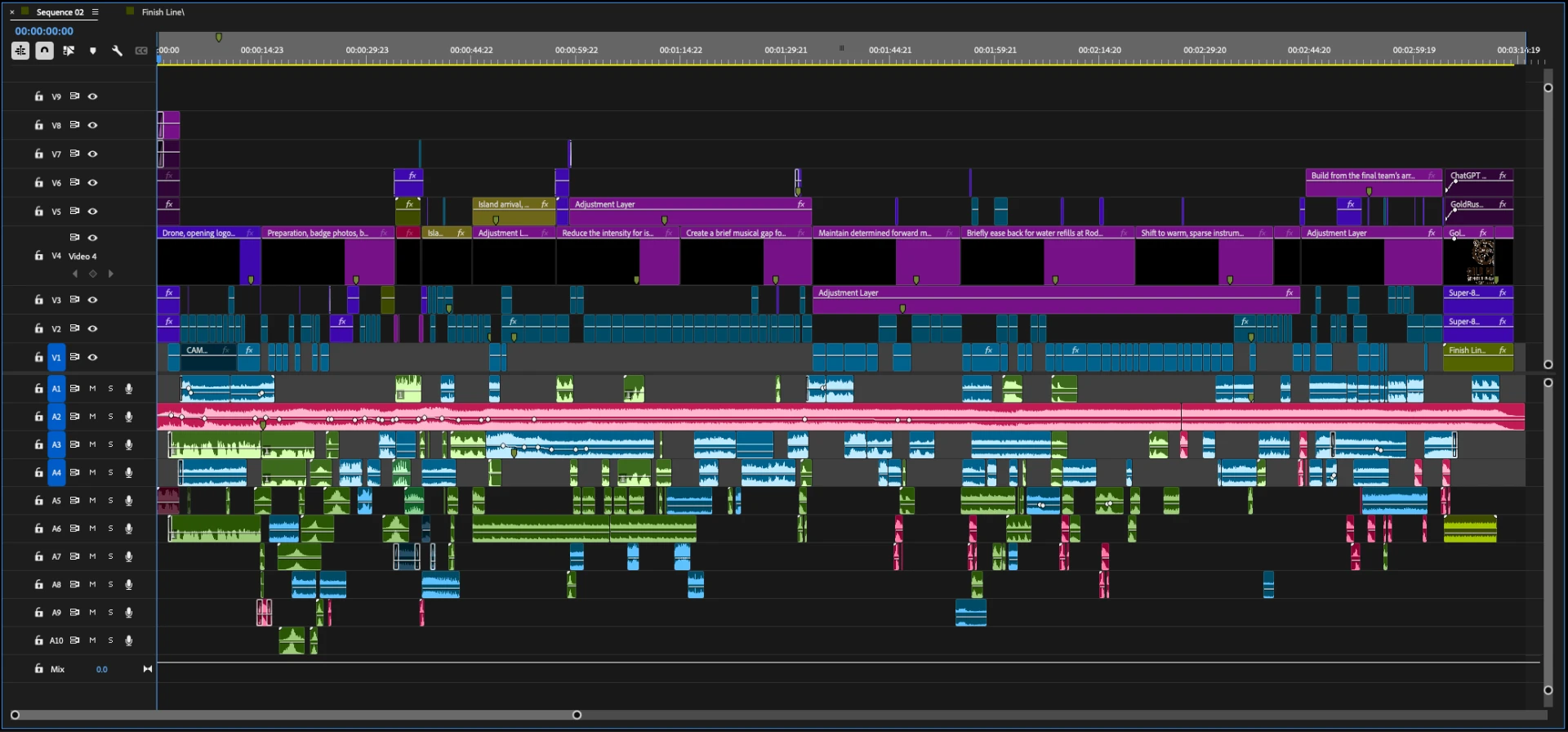
In the first planning call with Greg, before a single frame of race day existed, it was already clear the whole film would live or die on the music. That turned out to be exactly right. The moment I found the track, everything clicked, and it fueled three straight days of editing I genuinely didn't want to stop. The footage covers the full sixteen hours of the day, start to finish, and there was easily enough good material for something much longer than what shipped. But the cut kept getting pulled back to one goal: it had to feel epic. That meant leaning hard into quick cuts stacked with sound design, not just a sequence of pretty shots.
Watch the highlight film
The full event photo gallery is live now on the site, and the highlight film is finished.
Related notes
Production
Before the Cannon Fires
· 4 min read
Planning photo and video coverage for a 12-hour adventure race with no fixed route — and the logistics puzzle of catching a cannon that only fires once.
Documentary
Lessons From Long-Form Documentary Production
· 5 min read
What changes when a project stretches across months instead of days — patience, continuity, and the urgency of getting a story before it's too late.
Production
Lighting Interviews Without Losing Authenticity
· 5 min read
Good lighting should support the subject and environment without making an honest conversation feel overly staged.
Planning coverage for something live and unscripted?
If you're producing something live and unscripted — a summit, a launch, a community event — and want a coverage plan built to bend instead of break, that's exactly the kind of project I like being brought into early.